








 ₹https://clinics.dhiindia.com/dhi%C2%AE/-in-bengaluru/-in-mahadevapura/dhi-india-best-hair-transplant-in-mahadevapura-bengaluru--21Qk1z/articles/the-best-place-to-get-a-hair-transplant-in-india--3b41c09a-1652-4310-b4a9-871fdff80751
DHI® India - Best Hair Transplant, Mahadevapura, bengaluru
Hair Clinics in Mahadevapura, Bengaluru, Karnataka
No 4E, Third Floor, 122 Optima, Maheswari Nagar, Whitefield Road, Puttappa Industrial Estate Main Road, Nearby Singanapalya Metro Station, Mahadevapura, bengaluru, karnataka - 560048
Request A Call Back
DHI® India - Best Hair Transplant Social Feeds in Mahadevapura, bengaluru
The Best Place to Get a Hair Transplant in India
Before deciding on the best place to get a hair transplant in India, it is important, among other things, to understand the technique being performed and who will perform the procedure.
Since a hair transplant is a surgical process that involves a permanent change to your appearance, it is important to look deeper into the technique, doctor qualifications, clinic protocols and treatment approach before making a decision.
DHI: A Different Approach to Hair Transplantation
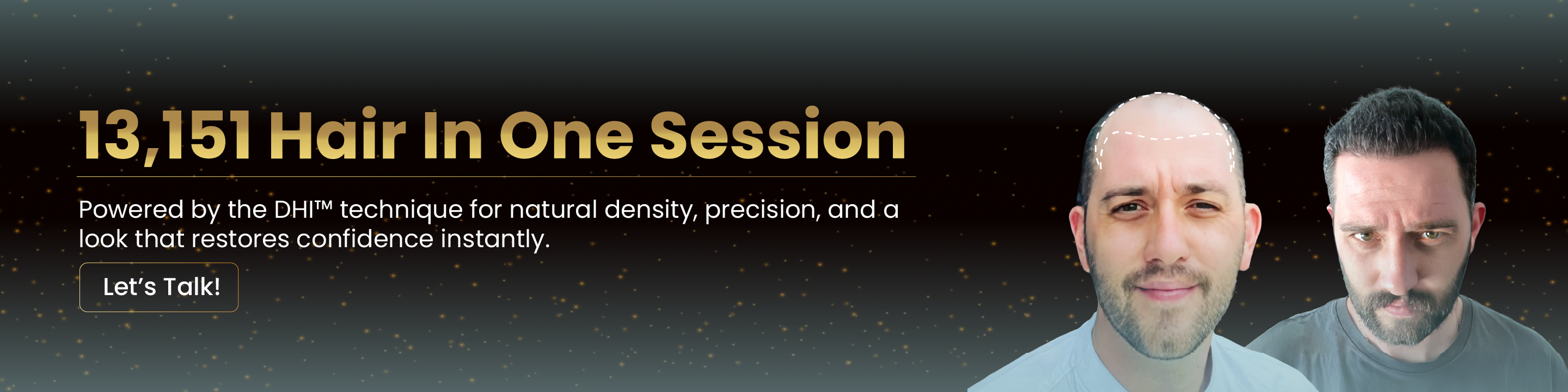
One of the techniques used in hair restoration is DHI, or Direct Hair Implantation. DHI Medical Group introduced the DHI technique in 2005 after years of experience in hair restoration. According to DHI India, the technique involves implanting hair follicles directly into the thinning or balding area using the patented DHI implanter, allowing control over the angle, direction and depth of placement.
In the DHI technique, hair follicles are handled according to DHI protocols before being implanted directly into the recipient area. The DHI implanter allows the surgeon to control the angle, direction and depth of each implanted follicle without prior creation of recipient slits.
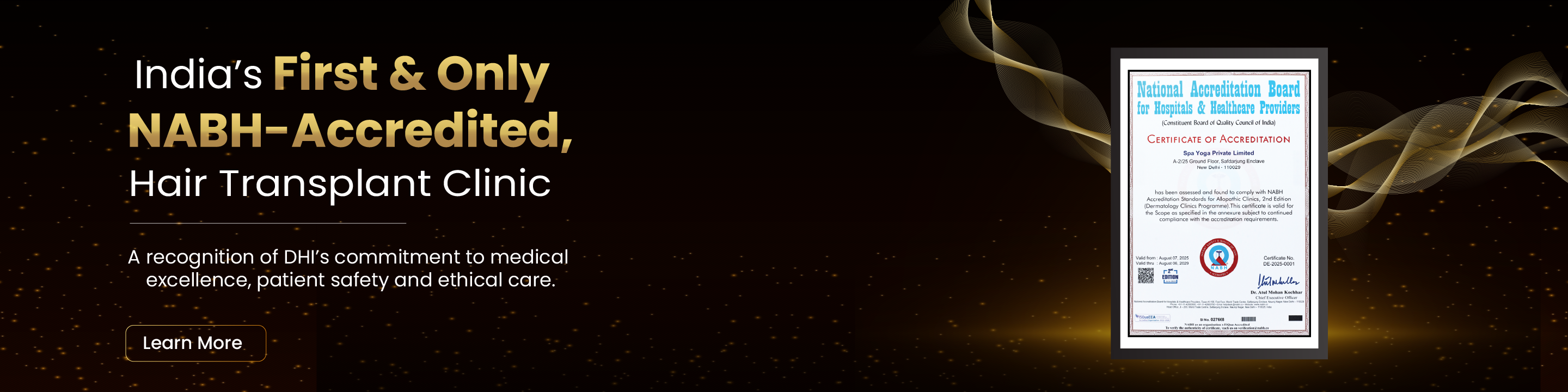
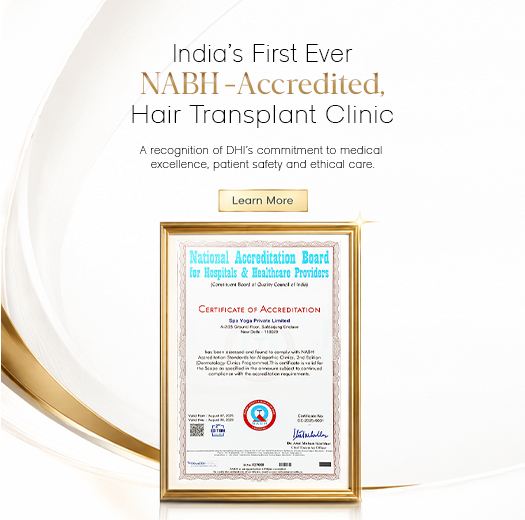
DHI India states that its hair transplant procedures are performed end-to-end by trained and certified doctors. The company also states that its doctors are trained through the DHI Hair Restoration Academy of London and that its clinics follow quality and safety protocols accredited by UK CQC and ISO.
The DHI procedure is performed at authorised DHI clinics. DHI India currently lists 16 authorised clinics in India, while DHI states that its network extends to 75 authorised clinics worldwide across 45 countries.
DHI is a specific technique, so when considering a clinic offering DHI, it is important to confirm that you are visiting an authorised DHI clinic and understand who will perform the procedure.
Understanding Hair Transplant Techniques
The hair transplant industry in India has evolved significantly over the years. Different techniques are now available, and understanding the basic differences can help patients have a more informed discussion with their doctor.
The three commonly discussed techniques are FUT, FUE and DHI. Each technique has a different approach to extracting and implanting hair follicles.
FUT Hair Transplant: The Strip Method
Strip surgery, or FUT (Follicular Unit Transplantation), is a traditional technique in which a strip of skin is removed from the back of the scalp. The resulting area is then closed with sutures, while hair follicles are separated from the extracted strip before implantation.
According to DHI India's comparison of hair transplant techniques, FUT involves creating recipient openings and placing follicles into them with forceps.
Points to consider with the Strip method include:
The technique involves removing a strip of scalp skin and therefore results in a linear scar in the donor area.
Hair follicles undergo handling during the preparation and implantation process.
Recipient openings are created before implantation, which can limit control over the final angle, depth and direction of individual follicles.
Because it involves a surgical strip removal and sutures, recovery involves healing of the donor area.
When evaluating a clinic, it is important to establish who performs each stage of the procedure and what role the doctor has.
FUE Hair Transplant: Follicular Unit Extraction
FUE (Follicular Unit Extraction) involves extracting individual hair follicles from the donor area rather than removing a strip of scalp. DHI India notes that FUE scars are generally less visible than FUT scars.
The implantation stage can involve creating recipient openings and placing the extracted follicles using forceps. DHI India notes that this approach provides less control over the depth, angle and direction of placement compared with the DHI technique.
Points to consider with the FUE method include:
Unlike FUT, FUE does not involve removing a strip of scalp, although small extraction marks or scars can occur.
Recovery can be shorter than with strip surgery.
The extraction and handling method should be discussed with the treating doctor, particularly when considering individual follicle characteristics.
Where recipient openings are created before implantation, the method may offer less control over the final angle, depth and direction of each follicle.
Patients should clarify who performs the extraction and implantation stages and how much direct involvement the doctor has.
Why Choosing the Right Hair Transplant Clinic Matters
There are different hair transplant techniques and clinics in India, which can make the decision confusing. Price is one factor patients may consider, but it should not be the only factor used to compare clinics.
When choosing a hair transplant clinic, it is important to look at the doctor's qualifications and experience, the technique being used, the clinic's safety and hygiene protocols, the instruments used and how the treatment is planned for your individual hair loss.
DHI India recommends considering factors such as existing patient reviews, surgeon experience, instruments, clinic experience, safety and hygiene protocols, and graft survival when evaluating a hair transplant clinic.
7 Questions to Ask Before Choosing a Hair Transplant Clinic
Before deciding where to have a hair transplant, consider asking the clinic these questions:
Who will perform the procedure? Will a doctor perform the procedure or will assistants be involved?
Is the doctor suitably trained and certified?
What is the experience of the clinic and doctor?
Does the clinic follow appropriate safety and hygiene protocols?
What diagnostic and assessment systems does the clinic use?
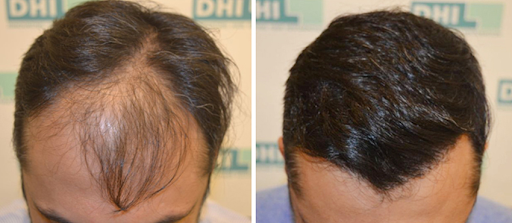
Can you review relevant treatment results and understand what outcomes may realistically be expected?
How does the clinic determine the most suitable hair transplant technique and treatment plan for you?
These questions can help you understand the treatment process and compare clinics based on factors beyond the quoted price.
Why the Choice of Clinic Matters
A hair transplant requires careful planning because the procedure involves moving hair follicles from a donor area to areas affected by hair loss. The treatment plan, technique, doctor involvement and clinic protocols can all be important considerations.
DHI India states that its treatment planning begins with diagnosis and assessment of the affected area, the patient's requirements and the approximate number of grafts required. Its clinics state that surgery is performed end-to-end by surgeons, with DHI's quality and safety protocols followed during treatment.
Looking beyond the headline price and asking detailed questions about the procedure can therefore help you understand what you are actually being offered.
Book Your Hair Transplant Consultation
If you are considering a hair transplant in India, a consultation can help you understand your hair loss pattern, donor area, treatment options and the technique that may be suitable for your requirements.
You can book a consultation with DHI India to discuss your hair restoration needs with the DHI team.
If you are looking for a hair transplant clinic in Mahadevapura, bengaluru, you can also explore the available DHI clinic locations and discuss your requirements with the team.
FAQs
What should I look for when choosing a hair transplant clinic in India?
Consider the doctor's qualifications and experience, the hair transplant technique offered, safety and hygiene protocols, diagnostic approach, instruments and the clinic's treatment process. DHI India also recommends considering surgeon experience, clinic experience and graft survival when evaluating a clinic.
What is the difference between FUT, FUE and DHI?
FUT involves removing a strip of scalp from the donor area. FUE involves extracting individual hair follicles from the donor area. DHI uses a direct implantation approach in which follicles are implanted using the DHI implanter, providing control over the angle, depth and direction of placement.
Who performs hair transplant procedures at DHI India?
DHI India states that its procedures are performed end-to-end by qualified doctors, rather than by non-medical assistants. The doctors are trained and certified through the DHI Hair Restoration Academy of London.
How many DHI clinics are there in India?
DHI India currently lists 16 authorised clinics in India. Its clinic locator provides locations and contact information for the available centres.
Is a consultation necessary before choosing a hair transplant technique?
A consultation allows the doctor to assess your hair loss and donor area, understand your requirements and develop an appropriate treatment plan. DHI India states that diagnosis and assessment form part of its treatment-planning process.
Considering a hair transplant in India? Book a consultation with DHI India to discuss your hair loss, understand your treatment options and learn which approach may be appropriate for your individual requirements.